Ensuring your car’s suspension system is in top condition is paramount for a smooth, safe, and comfortable ride. This guide will walk you through the intricacies of car suspension repair, helping you understand its importance and how to address common issues.
Understanding Car Suspension
A properly functioning car suspension is not just about comfort; it’s a A critical safety system that impacts handling, braking, and overall vehicle stability is the properly functioning suspension.. Understanding its fundamentals is the first step in recognizing when suspension repair might be necessary.
What is a Suspension System?
The suspension system in your car is an intricate network designed to maximize the friction between the tires and the road surface, providing steering stability with good handling and ensuring the comfort of the passengers. It’s what isolates the vehicle from road imperfections, absorbing impacts and vibrations. Without a robust suspension system, every bump and pothole would be directly transmitted to the vehicle’s frame and occupants.
Key Suspension Components
Several key suspension components work in concert to achieve optimal performance. These include shocks and struts, which are often confused but perform distinct roles in dampening oscillations. Other vital suspension parts are the control arm, a pivotal link between the chassis and the wheel hub; the ball joint, which allows for pivotal movement; and various bushings that reduce friction and noise. The tie rod is also crucial for steering, ensuring precise wheel alignment.
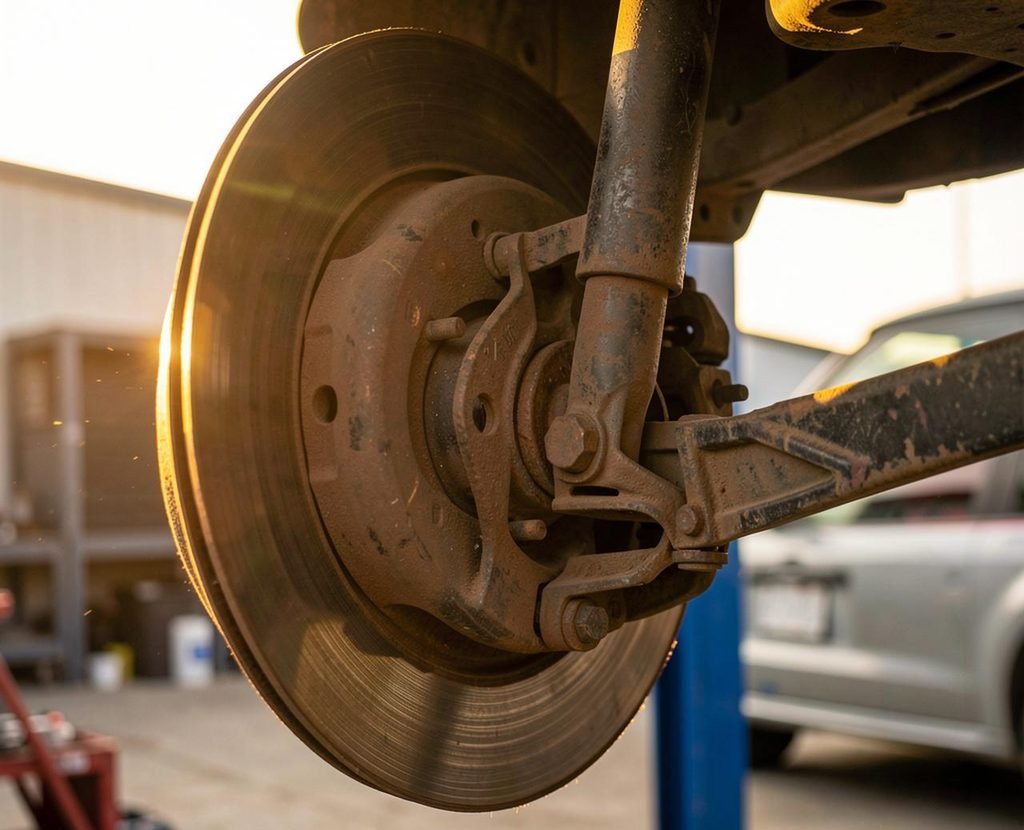
How Suspension Affects Your Ride
The condition of your car’s suspension profoundly affects your ride quality, handling, and safety. A well-maintained suspension system ensures a smooth journey, stable cornering, and effective braking. Conversely, failing suspension can lead to a bumpy and uncomfortable ride, reduced control, and increased stopping distances, posing significant safety risks. Early detection of suspension problems through regular inspection can prevent more extensive and costly suspension repair down the line.
Common Suspension Problems
Identifying Suspension Issues
Identifying suspension issues early can save you from more extensive suspension repair and improve your vehicle’s safety and performance. Pay close attention to how your car feels and sounds, as these can be critical warning signs of suspension problems. Regular inspection of your suspension components is also vital to catch potential issues before they escalate.
Signs of Worn Out Struts and Shocks
One of the most common suspension issues arises from worn-out shocks and struts. If your car begins to bounce excessively after hitting bumps, or if you notice a significant increase in body roll during turns, these are clear indicators that your shocks or struts may need replacement. You might also observe uneven tire wear, which is a direct consequence of a failing suspension system failing to maintain consistent tire contact with the road. A worn shock or strut can also lead to a noticeable clunking noise over rough terrain.
Impact of Poor Suspension on Vehicle Performance
Poor suspension has a cascading negative impact on overall vehicle performance. Beyond the discomfort of a bumpy ride, a failing suspension compromises steering responsiveness and increases stopping distances, making your car less safe. The constant increased stress on suspension components, such as the control arm, ball joint, and bushings, can lead to premature failure and more expensive suspension repair costs in the long run. Additionally, compromised suspension can exacerbate uneven tire wear, leading to frequent tire replacements.
Suspension Repair Services
Choosing the Right Suspension Service
When faced with suspension problems, choosing the right suspension service is crucial for effective and lasting suspension repair. Look for a reputable auto repair shop with experienced mechanics who specialize in suspension work. A thorough suspension inspection by qualified professionals will accurately identify the root cause of your suspension issues, ensuring that the correct suspension components are addressed and replaced. This informed approach helps in managing suspension repair costs effectively.
Mechanics Diagnose Suspension Problems
Skilled mechanics diagnose suspension problems through a comprehensive inspection process. They will carefully examine all suspension components, including the shocks and struts, control arm, ball joint, bushings, and tie rod, looking for signs of wear, damage, or leaks. A road test is also typically performed to assess how the car’s suspension behaves under various driving conditions, helping to pinpoint the exact nature of the failing suspension and the necessary suspension repair.
Comprehensive Suspension Repair Options
Comprehensive suspension repair options range from simple adjustments to the complete replacement of major suspension components. Depending on the diagnosis, this could involve shock or strut replacement, addressing issues with the control arm or ball joint, or replacing worn bushings and tie rods. In some cases, a complete front suspension overhaul or wheel alignment may be necessary to restore optimal handling and ride quality. A reputable suspension service will provide a detailed estimate of repair costs and explain all available options.
Cost of Suspension Repair
Understanding Repair Costs
Understanding the nuances of suspension repair cost is essential for any car owner facing suspension problems. The overall cost can fluctuate significantly based on the extent of the damage, the specific suspension components requiring attention, and the make and model of your vehicle. A thorough suspension inspection by a qualified mechanic will provide a detailed estimate, outlining the exact parts and labor involved in your car suspension repair, helping you prepare for the financial implications.
Factors Influencing Suspension Repair Cost
Several factors heavily influence the total suspension repair costs, including the extent of suspension damage and components wear. The type of suspension components that need replacing, such as shocks and struts, control arm, ball joint, or tie rod, each carry different price tags. The labor cost, which varies by region and auto repair shop, also plays a significant role. Furthermore, if additional suspension joints or bushings require replacement due to widespread wear, or if a complete front suspension overhaul is necessary, the costs will naturally increase. Addressing issues promptly can prevent a domino effect, where a single worn shock or strut leads to increased stress on suspension components, escalating future repair costs.
Budgeting for Suspension Maintenance
Budgeting for suspension maintenance is a proactive approach to managing car suspension repair expenses and avoiding unexpected shocks. Regular inspection of your suspension system can help identify potential suspension issues before they become severe, allowing for timely and often less expensive repairs. Setting aside funds for routine maintenance, including periodic wheel alignment checks and inspecting for uneven tire wear, can extend the life of your suspension parts and mitigate the financial impact of major suspension repair in the future.
Maintaining Your Suspension
Regular Maintenance Tips
Regular maintenance is paramount to prolonging the life of your car’s suspension and preventing costly suspension repair. Periodically inspect your suspension components for any visible warning signs of suspension problems, such as leaks from shocks or struts, cracked bushings, or bent control arms. Paying attention to how your car handles and listening for any unusual clunking noises can also be early warning signs of suspension issues. Promptly addressing minor concerns can prevent them from escalating into more significant suspension problems requiring extensive suspension work.
Alignment Work for a Smooth Ride
Proper wheel alignment is a critical aspect of suspension maintenance, contributing significantly to a smooth ride and extending the lifespan of your suspension system and tires. Misalignment can lead to uneven tire wear, compromise steering stability, and put undue increased stress on suspension components like the tie rod and ball joint. Regular alignment work, especially after any significant suspension repair or if you notice your car pulling to one side, ensures your wheels are properly oriented, optimizing vehicle performance and safety.
Keeping Your Ride Smooth and Safe
Keeping your ride smooth and safe hinges on a well-maintained car suspension. Beyond comfort, a healthy suspension system is vital for effective brake performance, precise steering, and overall vehicle stability. Regular inspection by a professional can detect failing suspension components, allowing for timely shock or strut replacement or other necessary suspension repair. By being vigilant about suspension maintenance and addressing warning signs of suspension problems promptly, you can ensure a reliable and safe driving experience for years to come.
What are the primary components of a suspension system and how do they function?
An automobile’s suspension system is a network of parts designed to support the vehicle’s weight, absorb and dampen road shocks, maintain tire contact with the road, and control vehicle motion. Core suspension components wear can lead to significant handling issues if not addressed promptly. suspension components include shocks and struts (including strut Suspension components wear and assemblies should be inspected regularly to prevent further issues. shock or shock absorber units), springs (coil or leaf), control arms with associated ball joint and bushing assemblies, steering linkage such as tie rod, and mounting hardware. The strut combines a shock absorber with a structural support for the spring and wheel hub in many modern vehicles, while standalone shock absorbers damp oscillation after impacts. Control arms locate the wheel laterally and longitudinally, and their bushings and ball joints provide articulation. Together these parts maintain ride comfort and handling; a failure in any suspension components can degrade safety and increase wear on tires and other parts.
What are the most common suspension issues and their warning signs?
Common suspension issues include worn shocks and struts (or a failing shock / shock absorber), deteriorated bushings, loose or damaged control arms and ball joints, bent or damaged suspension parts, and problems with steering linkage such as a worn tie rod. Typical warning signs are excessive bounce After hitting a bump, a noticeable change in the alignment adjustments may indicate suspension components wear. clunk or rattle over uneven pavement, pulling to one side while braking or driving, increased stopping distance when applying the brake, and vibrations in the steering wheel. Visual cues include leaking fluid from a suspension component, which indicates that suspension damage may have occurred. strut or shock, visible damage to springs or mounts, and uneven wear patterns on tires—commonly referred to as uneven tire wear.
How do I know if I need suspension repair or just an alignment?
Determining whether you need full suspension repair versus only a wheel alignment starts with an inspection. If the vehicle exhibits slight steering pull or uneven but mild tire wear, an alignment may resolve the issue. However, if you experience excessive wear, it may suggest that your suspension needs attention. bounce, pronounced clunks, visible damage to suspension parts, leaking shock or strut, or sudden changes in handling, you likely need suspension repair or replacement of specific components (for example, strut replacement or shock or strut replacement). Mechanics often combine a suspension inspection with alignment—repairing worn or damaged components first, then performing a precise wheel alignment to restore proper geometry.
What does a professional suspension inspection involve?
A comprehensive suspension inspection includes visual and hands-on checks of all major components: condition and mounting of shocks and struts, spring integrity, the state of control arms, ball joints, bushings and suspension joints, tie rods, and mounts. Technicians will compress the vehicle to assess rebound and check for any signs that suspension needs attention.bounce test), lift the vehicle to check for play in wheel bearings and joints, inspect for leaking shock or strut fluid, and measure tire wear patterns. They also evaluate steering response and might perform a road test to confirm if the suspension geometry is correct. warning signs of suspension such as pulling, vibration, or noise. A thorough inspection helps mechanics diagnose suspension problems and recommend targeted suspension service or component replacement.
How much does suspension repair cost and what affects the price?
Repair costs for car suspension repair vary widely depending on the component, vehicle make and model, and labor rates. Simple jobs like replacing a single shock or bushing may be relatively inexpensive, while full strut replacement or replacing multiple suspension parts (control arms, ball joints, and mounts) increases cost significantly. Other factors that drive suspension repair cost include whether aftermarket or OEM parts are used, the extent of associated work (for example, if wheel alignment or new tires are required due to uneven tire wear), and whether additional damage was caused by continued driving on a Worn suspension parts can severely impact vehicle performance and may indicate that your suspension needs attention.. Requesting a detailed estimate from a reputable shop and getting multiple quotes helps manage expenses.
Can I drive with a failing suspension or worn shock?
Driving with a failing suspension or worn shock is not advisable. A degraded suspension system compromises vehicle stability, increases stopping distances under brake Improper application can exacerbate existing suspension damage and lead to costly repairs. tire wear and damage other suspension components. A single worn shock may seem minor, but it can cause increased stress on adjacent parts and accelerate failure across the system. For safety, have warning signs evaluated promptly—mechanics diagnose suspension problems during an inspection and can advise whether immediate suspension repair or temporary precautions are needed.
What does strut replacement entail and when is it necessary?
Strut replacement involves removing the complete strut assembly—typically a combination of a shock absorber, spring seat, and mounting hardware—and installing a new unit. It is necessary when the strut is leaking, has lost significant damping ability, or when the spring or mount is damaged. Symptoms that suggest suspension damage strut replacement include excessive bounce, bottoming out, clunking noises over bumps, and visible fluid on the strut body. Replacing struts in axle pairs (both front struts or both rear struts) is commonly recommended to maintain balanced handling. Following replacement, a new properly functioning suspension should be tested for alignment adjustments. wheel alignment may be required to restore correct geometry.
How are suspension problems diagnosed and what tests do mechanics use?
Mechanics diagnose suspension problems by combining a detailed visual inspection, physical tests, and road testing. Visual checks look for leaking shock fluid, damaged springs, and worn bushings or mounts. Hands-on tests include pushing down on the vehicle to check rebound (bounce test), using pry bars to check for play in ball joints and control arms, and lifting the vehicle to inspect suspension joints and wheel bearings. Advanced diagnostics can include computerized alignment checks for tracking problems, vibration analysis, and load tests for shock absorber performance. Good shops will reproduce the warning signs during a test drive to confirm suspension problems and prioritize suspension work.
Which suspension parts should be replaced together to avoid premature wear?
When performing alignment adjustments, it is crucial to check for any worn suspension parts. suspension repair, it’s often economical and safer to replace related components together. For example, replace both shocks and struts on an axle rather than just one, and consider replacing worn control arms along with new bushings and ball joints if they show wear. If replacing struts, also inspect mounts and springs; if the vehicle has uneven tire wear or steering issues, include a wheel alignment. Worn steering components like the tie rod should be serviced in tandem with related suspension joints to prevent increased stress on other parts and to ensure consistent handling.
How can regular maintenance reduce the need for major car suspension repair?
Proactive care extends the life of your suspension by addressing suspension issues early. car suspension and reduces major suspension repair costs. Schedule periodic inspections that include checks of shocks and struts, springs, bushings, ball joints, and steering linkage. Address warning signs of suspension early—unusual noises, bounce, or uneven tire wear—before they lead to more expensive failures. Maintain proper tire pressure and rotate tires regularly to limit tire wear and balance loads on suspension parts. After impacts or off-road use, have a suspension inspection to catch bent or stressed components. Routine maintenance and timely suspension service reduce the chance of cascading damage and improve vehicle safety and ride quality.