
How to Change Car Air Filter in 1 Minute
Changing your car air filter is a simple maintenance task that improves engine performance, fuel economy, and cabin air quality. Follow this clear, step-by-step guide to replace the air filter yourself.
Why Change the Air Filter?
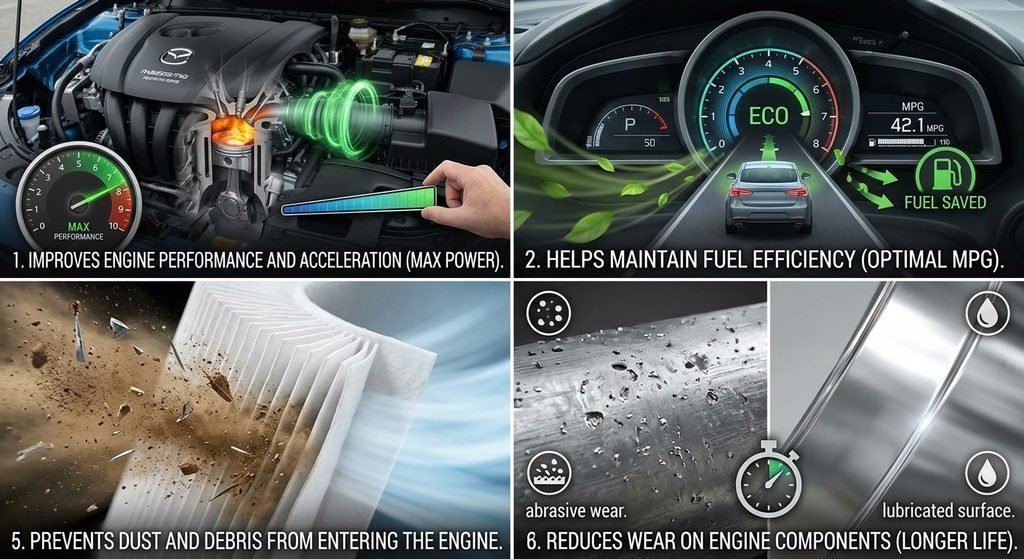
- Improves engine performance and acceleration
- Helps maintain fuel efficiency
- Prevents dust and debris from entering the engine
- Reduces wear on engine components
Tools & Materials Needed
- Replacement air filter (check your owner’s manual or part number)
- Screwdriver or socket set (typical sizes: 6mm–10mm)
- Gloves (optional)
- Compressed air or soft brush (optional for cleaning housing)
- Shop rag
Preparation
- Park the car on a flat surface and set the parking brake.
- Turn off the engine and let it cool if it’s hot.
- Open the hood and locate the air filter housing — usually a rectangular or round black plastic box near the engine with a large intake hose attached.
- Consult your owner’s manual for the exact location and replacement filter part number if unsure.
Step-by-Step: How to Change Car Air Filter
- Release the housing fasteners: Unclip the metal clips or remove screws/bolts holding the air box closed.
- Open the air box: Carefully lift the cover to expose the old air filter. Note how the filter sits (orientation matters).
- Remove the old filter: Take out the filter and inspect it. If it’s dark, dusty, or clogged, replacement is needed.
- Clean the housing: Wipe out debris with a rag. Use compressed air or a soft brush to remove fine dust. Avoid pushing dirt into intake ports.
- Install the new filter: Place the new filter into the housing in the same orientation as the old one. Ensure it seats properly in the seal or lip.
- Reassemble the housing: Close the air box and secure clips, screws, or bolts snugly but don’t overtighten plastic parts.
- Final check: Make sure all connections, hoses, and clamps are secure and that nothing was left loose in the engine bay.
Tips & Best Practices
- Replace the air filter every 12,000–30,000 miles or according to the vehicle manufacturer’s recommendation. If you drive in dusty conditions, replace more often.
- Keep the old filter as a reference for fit and orientation when buying a replacement.
- If the air box has a foam seal or gasket, inspect it for damage and replace if necessary.
- A dirty air filter can mimic symptoms of other engine problems; check the filter before diagnosing complex issues.
Troubleshooting
Filter doesn’t fit Verify the part number and compare dimensions. Return or exchange for the correct filter model. Engine runs rough after replacement Check that the filter is seated correctly and the housing is sealed. Ensure all intake hoses are connected and clamps tightened. Unusual noises after reassembly Inspect for loose tools or parts left in the engine bay and ensure the airbox cover is fully secured.
How to Change Car Air Filter: A Step-by-Step Guide to Air Filter Replacement
Maintaining your vehicle’s air filters is crucial for both engine longevity and passenger comfort. This guide provides a detailed, step-by-step approach to air filter replacement, empowering you to perform this essential maintenance task yourself.
Understanding Air Filters
What is a Car Air Filter?
A car air filter is a vital component designed to purify the air entering various systems within your vehicle. Predominantly, there are two main types: the engine air filter, which ensures that only clean air reaches the engine’s combustion chamber, and the cabin air filter, responsible for filtering the air that circulates throughout the passenger compartment. These filters are critical for maintaining optimal performance and occupant well-being.
Types of Air Filters: Engine and Cabin
Your vehicle is equipped with both an engine air filter and a cabin air filter, each serving a distinct purpose. The engine air filter is typically housed in a black plastic box under the hood, ensuring that the engine receives clean, filtered air. Conversely, the cabin air filter, often located behind the glove box, is dedicated to providing clean air for the vehicle’s occupants, trapping pollutants before they enter the ventilation system.
Importance of Regular Air Filter Replacement
Regular air filter replacement is paramount for several reasons, directly impacting your vehicle’s performance and your health. A clogged old filter, whether an engine air filter or a cabin air filter, can significantly restrict airflow, leading to diminished engine performance, reduced fuel efficiency, and increased emissions. For the cabin, a dirty filter compromises air quality, introducing allergens and pollutants into the passenger space. Adhering to the vehicle manufacturer’s recommendation for replacing the air filter every 12,000–30,000 miles is crucial. If you drive in dusty conditions, more frequent replacement is advised to ensure optimal engine performance and clean air.
When to Change Your Engine Air Filter
Recommended Replacement Intervals
For optimal engine performance and longevity, it is generally recommended to replace the engine air filter every 12,000 to 30,000 miles. This interval can vary significantly based on the vehicle manufacturer’s recommendation, which can be found in your owner’s manual. Adhering to these guidelines ensures consistent clean air delivery to the engine, preventing a clogged old filter from impeding airflow and reducing engine performance.
Signs That Indicate a Dirty Air Filter
Several indicators can suggest it’s time for an air filter replacement. A noticeable decrease in fuel efficiency, sluggish acceleration, or a distinct decrease in engine performance are common signs. Additionally, unusual engine sounds, a “check engine” light illumination, or visible dirt and debris accumulation on the old filter itself when inspected, strongly suggest the need for a new filter to restore proper airflow.
Driving Conditions and Their Impact on Filter Life
Driving conditions play a critical role in determining the lifespan of your car air filter. If you frequently drive in dusty conditions, such as on unpaved roads or in construction zones, your engine air filter will accumulate debris much faster than if you primarily drive in urban or suburban environments. These harsh conditions necessitate more frequent air filter replacements to maintain optimal engine performance and prevent premature wear.
Step-by-Step Guide to Changing Your Car Air Filter
Gathering Necessary Tools and Materials
Before commencing the air filter replacement, ensure you have all the necessary tools and materials. This typically includes a new air filter, which can be purchased from an auto parts store, a screwdriver (flathead or Phillips, depending on your vehicle), and possibly a wrench or socket set. It’s also beneficial to have a clean rag or shop towel for wiping down the filter housing.
Removing the Old Air Filter
To begin, locate the black plastic box under the hood that houses the engine air filter. Depending on your vehicle model, you may need to unclip latches or unscrew bolts to open the filter housing. Carefully remove the old filter, taking note of its orientation and fit as a reference for installing the new filter. Inspect the filter housing for any debris and wipe it clean before proceeding.
Installing the New Air Filter
With the old filter removed and the filter housing cleaned, gently insert the new air filter into its designated slot, ensuring it is properly seated and oriented. If the air box has a foam seal or gasket, inspect it for damage and replace if necessary. Secure the filter housing by re-attaching any clips or screws that were removed. This step-by-step process of installing the new filter helps maintain clean air for your engine and optimal engine performance.
Maintaining Your Air Filter
Inspecting the Air Box and Seals
After you replace your car’s engine air filter, it’s crucial to inspect the air box and any accompanying seals or gaskets. These components ensure a tight fit around the new filter, preventing unfiltered air from bypassing it and reaching the engine. If the air box has a foam seal or gasket, meticulously inspect it for any signs of damage, cracks, or compression that might compromise its integrity, and replace if necessary to maintain optimal sealing.
Storing the Old Filter for Reference
When performing an air filter replacement, it can be beneficial to keep the old filter for a short period. This old filter serves as an excellent reference for fit and orientation when you purchase a new filter from an auto parts store. Comparing the new air filter to the old filter ensures that you acquire the correct dimensions and design, preventing potential issues during the installation of the new filter and guaranteeing proper airflow.
Tips for Keeping Your Air Filter Clean
To maximize the lifespan and effectiveness of your car air filter, consider several practical tips. Regularly check your owner’s manual for the recommended air filter replacement interval, typically every 12,000–30,000 miles. However, if you frequently drive in dusty conditions, more frequent inspection and replacement are advised. Remember, a dirty air filter can mimic symptoms of other engine problems, so always check the filter before diagnosing complex issues.
Benefits of Changing Your Air Filter
Improving Engine Performance
Changing your car’s engine air filter regularly is a simple yet profoundly effective way to improve engine performance. A clean new filter ensures a consistent and unrestricted supply of clean air to the engine’s combustion chamber. This optimal airflow facilitates efficient combustion, leading to better acceleration, increased horsepower, and a more responsive engine, which ultimately contributes to a smoother and more enjoyable driving experience.
Enhancing Fuel Efficiency
One of the most significant benefits of an air filter replacement is the enhancement of fuel efficiency. A clogged old filter forces the engine to work harder to draw in the necessary air for combustion, consuming more fuel in the process. By installing a new air filter, you restore the engine’s ability to “breathe” easily, optimizing the air-to-fuel ratio and potentially saving you a considerable amount of money on fuel over time.